Differences from other methods of contraception

paar frau kuesst mann

Differences from other methods of contraception

The diaphragm is a hormone-free contraceptive that acts as a barrier. It covers the cervix and is used in combination with a diaphragm gel to prevent sperm from entering the uterus.

As a contraceptive used as required, the diaphragm differs in its mode of action, duration of use and handling from hormonal contraceptive methods, condoms, copper IUDs and hormonal IUDs, surgical procedures and natural family planning methods.

Hormonal contraceptives

Hormonal contraceptives include, among others:

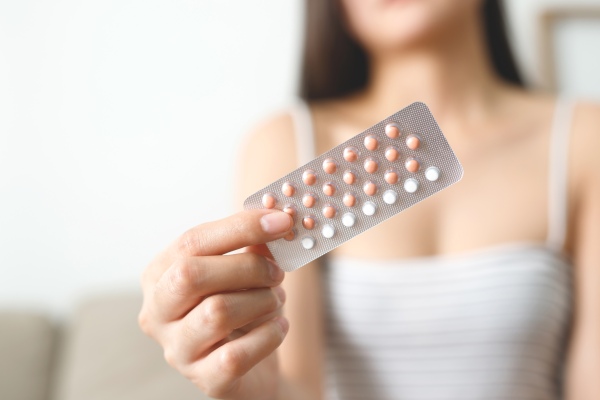
  • the ‘pill’, which must be taken daily
  • the hormonal IUD, which remains in the uterus for several years and is inserted by a gynaecologist
  • the hormonal contraceptive patch, which is replaced regularly and is visible on the body
  • the hormonal vaginal ring, which is placed in the vagina and is usually changed monthly
  • the hormonal implant, which is inserted under the skin (usually in the upper arm) and removed after several years
  • the so-called three-month injection (depot method), which is administered intramuscularly every three months

Hormonal contraceptives interfere with the hormonal regulation of the cycle and have a systemic effect. All hormonal methods:

  • work by regulating the menstrual cycle
  • take effect throughout the body
    must be used continuously – regardless of sexual intercourse
  • are generally reversible after discontinuation or removal
  • may cause side effects, which are described in the relevant product information
  • may not be suitable in certain pre-existing conditions
    do not offer protection against sexually transmitted infections (STIs)

The diaphragm, unlike hormonal contraceptive methods

Unlike hormonal contraceptive methods, the diaphragm works locally by covering the cervix. It is hormone-free, does not interfere with the menstrual cycle and is only used when needed – that is, before sexual intercourse.

Condoms

Condoms are barrier methods used during sexual intercourse. They:

  • are rolled onto the erect penis
  • may slightly alter the sensation
  • are often made of latex and are usually coated with silicone oil; for those with a latex allergy, latex-free alternatives (e.g. made of polyisoprene) can be used
  • are also available as so-called ‘female condoms’ (Femidoms), which are inserted into the vagina
  • are intended for single use
  • are used exclusively during sexual intercourse
  • are available over the counter and without age restrictions in supermarkets, chemists, pharmacies and online
  • offer protection against sexually transmitted infections (STIs)

The diaphragm, unlike condoms

Unlike condoms, the diaphragm is inserted into the vagina by the user and is reusable if cared for properly. It is also only inserted when needed. As it can be inserted before sexual intercourse, there is no need to interrupt the moment of intimacy. 

Depending on the model, the diaphragm is available over the counter in pharmacies and via authorised online shops.

Copper coil / copper chain / copper ball

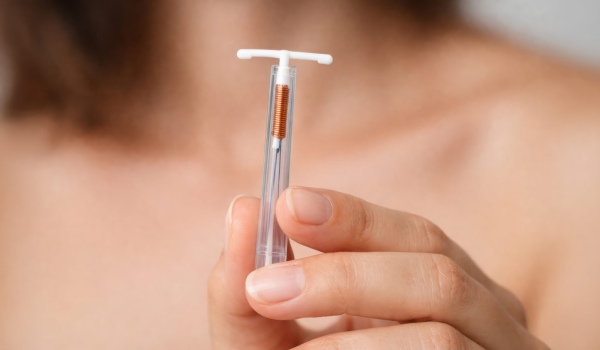
These methods are among the hormone-free long-term contraceptives that are inserted into the uterus (intrauterine contraceptive methods, IUDs). They:

  • are hormone-free long-acting contraceptive methods
  • are inserted into the uterus by a gynaecologist
  • usually remain in the uterus for several years
  • work continuously in the uterus and prevent pregnancy – regardless of whether you have sex
  • are generally reversible once removed
  • may be associated with changes in the heaviness or duration of bleeding in some women
  • the copper IUD is T-shaped and continuously releases copper ions into the uterus
  • the copper chain is a special type: it consists of a thread with copper elements that is anchored in the uterine wall
  • the copper ball is a variant in which the copper element unfolds into a spherical structure
  • do not offer protection against sexually transmitted infections (STIs)

The diaphragm, unlike the copper IUD, copper chain and copper ball

Unlike the copper coil, copper chain or copper ball, the diaphragm is a method used when required. It is inserted into the vagina by the user herself, covers the cervix and is removed again after use. It works only during sexual intercourse.

Sterilisation / Vasectomy

Sterilisation and vasectomy are surgical procedures for contraception. They are designed to provide permanent contraception and are usually only considered once family planning is complete.

A vasectomy is a surgical procedure for men designed to provide permanent contraception. The procedure is usually carried out on an outpatient basis and carries the general risks associated with any surgical procedure.

Female sterilisation is also a surgical procedure that can be performed on an outpatient or inpatient basis. It is generally more invasive than a vasectomy and is also associated with surgical risks.

Both methods are designed for permanent contraception and do not offer protection against sexually transmitted infections (STIs).

The diaphragm, unlike sterilisation and vasectomy

In contrast, the diaphragm is a reversible method. It does not require surgery and is inserted into the vagina and removed by the user herself as needed. It has no permanent effect on fertility.

Natural methods (cycle observation, temperature control )

Natural family planning methods are based on observing bodily signs to determine fertile and infertile days. They:

  • are based on the observation of bodily signs
  • require regular and careful self-monitoring, e.g. measuring basal body temperature, observing cervical mucus and keeping a continuous record of the cycle (on paper, in an app or using appropriate devices)
  • are hormone-free and reversible
  • require consistent use
  • require either abstinence or the additional use of a barrier method such as a diaphragm or condom during fertile days
  • do not offer protection against sexually transmitted infections (STIs)

The diaphragm, unlike NFP methods

In contrast, the diaphragm works independently of the cycle, as it forms a barrier. It can be used as a supplementary method, for example during intercourse on fertile days as part of natural family planning. Both methods can be combined.

Environmental aspects of contraceptive methods

Contraceptive methods also differ in terms of their duration of use and the materials used. Single-use products such as condoms are disposed of after each use, whilst long-term methods remain in the body for several years.

Hormonal contraceptives have a systemic effect throughout the body; hormonal residues can enter the environment via wastewater. The extent to which this is ecologically relevant is currently being investigated scientifically.

The diaphragm is designed as a reusable barrier method for use over several years. Which aspects are particularly relevant in terms of the environment or sustainability can be assessed differently from person to person.

Comparison table of different contraceptive methods

Criterion Diaphragm The pill Condom Copper coil (IUD) Hormonal coil (IUD NFP Sterilisation / Vasectomy
Hormone-free
Product can be reused
Only required during sexual intercourse
Works throughout the body
Protection against STIs
Medical prescription or administration required

✗ (Caya)  

✓ (Singa)
Fitting

Can be used independently

✓ (on prescription)
Long-term method (effect lasting several years)

Designed for long-term (permanent) contraception

Reversible

Safety information

No contraceptive method offers 100% protection against pregnancy. With the exception of condoms, none of the methods listed protect against sexually transmitted infections (STIs). The choice of the most suitable method depends on individual health conditions and personal preferences.

8be9defe1bdc2971f77bdb7bca55dfcccc9bf3f1

Any questions? We answer all questions personally and promptly.