Contraception for PCOS

  • Health

Contraception for PCOS What options are available?

  • Author:
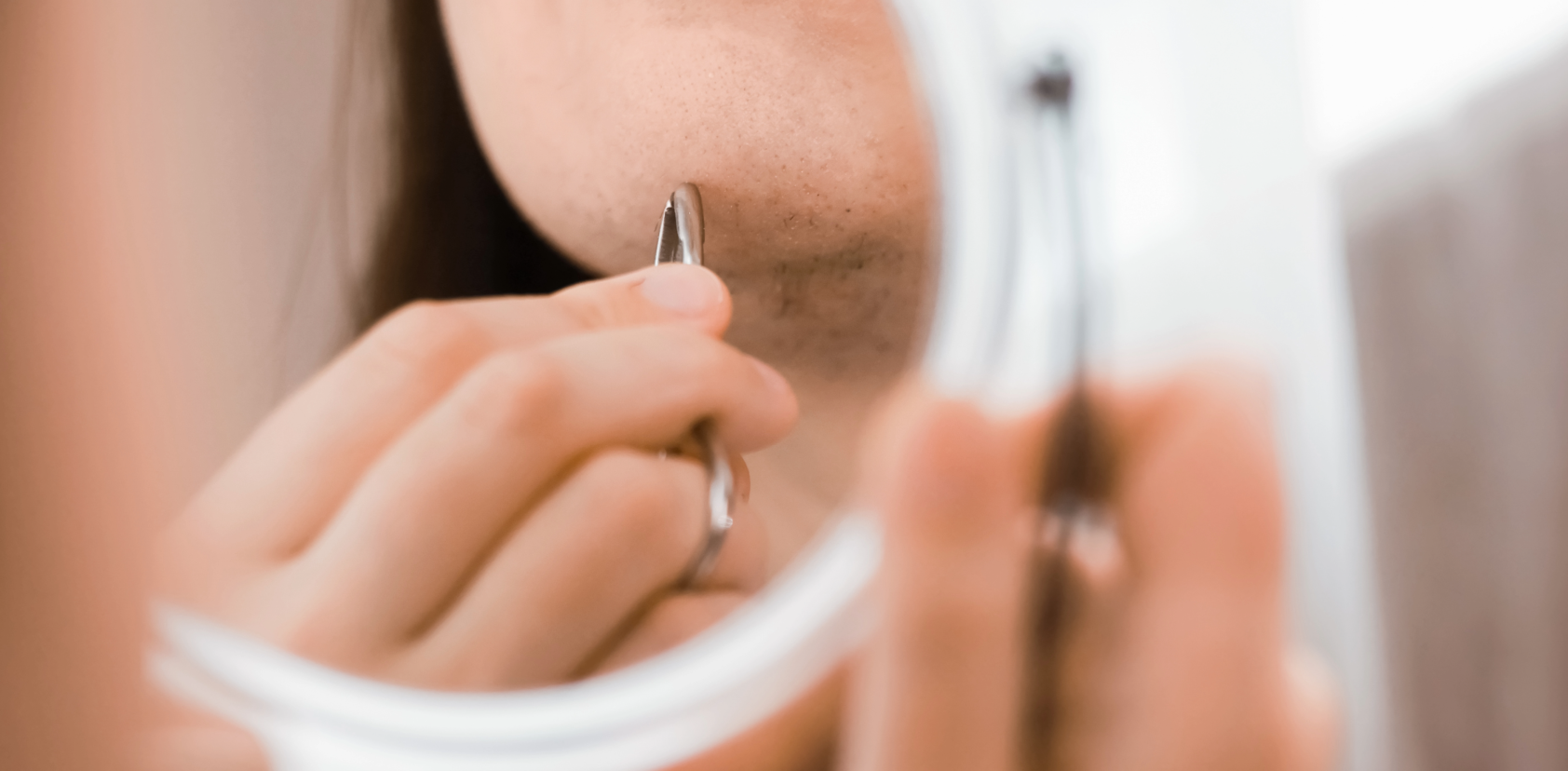
PCOS - Frau zupft Haare am Kinn aus
© Adobe Stock

Brief explanation

Polycystic ovary syndrome (PCOS) can affect the menstrual cycle and ovulation. However, pregnancy is still possible. Anyone who does not currently wish to become pregnant should therefore consider a suitable method of contraception.

Both hormonal and non-hormonal methods of contraception may be suitable for people with PCOS. Which method is most appropriate depends on your health, any underlying conditions, your personal preferences and your individual circumstances.

For women who only have sexual intercourse occasionally or who prefer to use contraception only when needed ('on demand'), barrier methods such as the diaphragm or condoms may be suitable options.

Why contraception is important with PCOS?

Many women with PCOS wonder whether they need to use contraception at all. After all, irregular menstrual cycles or infrequent ovulation may give the impression that pregnancy is unlikely. In fact, ovulation can still occur in women with PCOS, although it is often irregular and difficult to predict.

For this reason, it is important to consider a suitable method of contraception if you do not currently wish to become pregnant.

What is PCOS?

PCOS is a hormonal condition that affects an estimated 8 to 13 per cent of women of reproductive age. It can affect the menstrual cycle, ovulation and fertility. Symptoms can vary in severity and do not occur in every woman.

The most common signs include:

  • irregular or absent periods
  • infrequent or absent ovulation
  • acne or oily skin
  • excessive body hair (hirsutism)
  • hair loss
  • difficulties with weight management

As PCOS can affect the menstrual cycle and ovulation, many women with the condition have questions about fertility and contraception.

Diagnosis is based on medical history, symptoms and further investigations carried out by a gynaecologist.

Can you get pregnant despite having PCOS?

Yes. An irregular menstrual cycle does not mean that pregnancy is impossible. Ovulation can still occur even with PCOS. Pregnancy is therefore still possible.

As PCOS is often associated with irregular cycles, you can find further information in our article ‘Contraception for irregular cycles’.

What contraceptive methods are suitable for PCOS?

Both hormonal and non-hormonal methods of contraception may be suitable for people with PCOS. Which method is most appropriate depends on your health, any underlying conditions, whether you plan to have children in the future and your personal preferences.

Hormonal contraceptive methods such as the pill, the vaginal ring or the contraceptive patch are used to prevent pregnancy. Depending on the specific product and individual circumstances, some hormonal contraceptives may also affect the menstrual cycle or certain PCOS related symptoms.

Non-hormonal contraceptive methods such as condoms, the diaphragm or the copper IUD may also be suitable options. The most appropriate method should be chosen as part of an individual consultation with a doctor.

Frequently Asked Questions (FAQ)

Conclusion

PCOS can affect the menstrual cycle and ovulation, but does not reliably prevent pregnancy. If you do not currently wish to become pregnant, it is important to consider a suitable method of contraception.

Both hormonal and non-hormonal methods of contraception can be considered for PCOS. The most appropriate method should be decided on an individual basis in consultation with a gynaecologist.

Scientific sources

Author Pavitra Purohit

Pavitra Purohit is a Scientific Product Manager at Kessel Medintim GmbH. Her expertise encompasses medical research, research and development (R&D), medical technology, and the scientific support of innovative medical devices. A particular focus of her work is women's health, especially diaphragms and non-hormonal contraceptive methods. She combines scientific expertise with evidence-based healthcare communication to provide reliable, accessible information on diaphragms, non-hormonal contraception, and women's health.

8be9defe1bdc2971f77bdb7bca55dfcccc9bf3f1

Any questions? We answer all questions personally and promptly.