The history and development of the diaphragm: from Mensinga to the Caya® Contoured diaphragm.
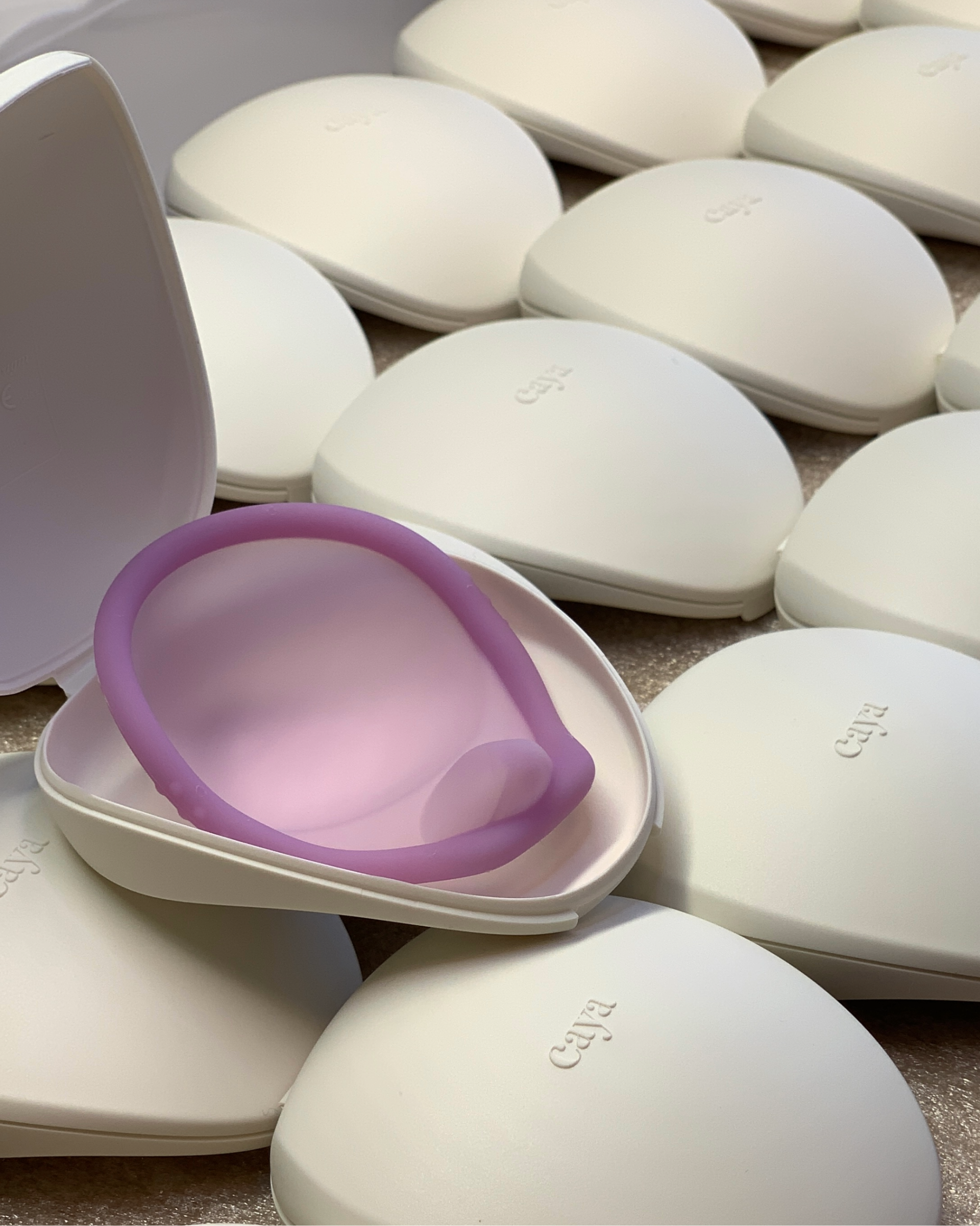
History & development of the diaphragm
Picture gallery: Historical diaphragm models
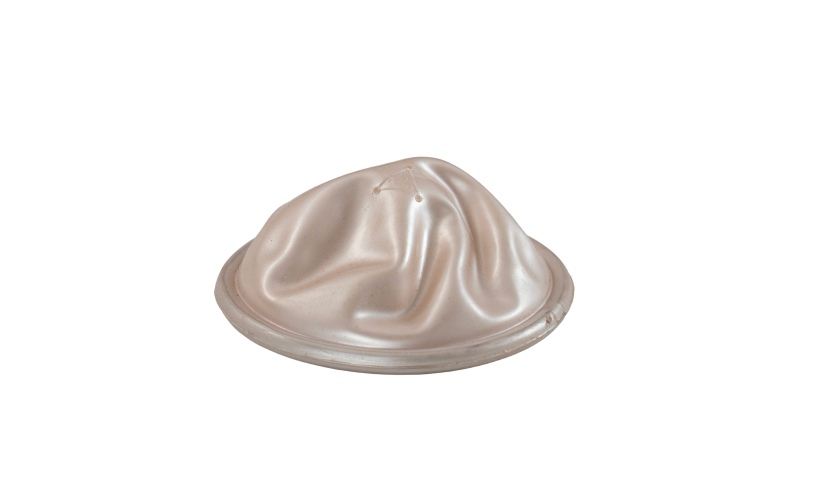
A look back: historical diaphragm models such as this one represent a time when shape, material and handling varied significantly depending on the manufacturer.
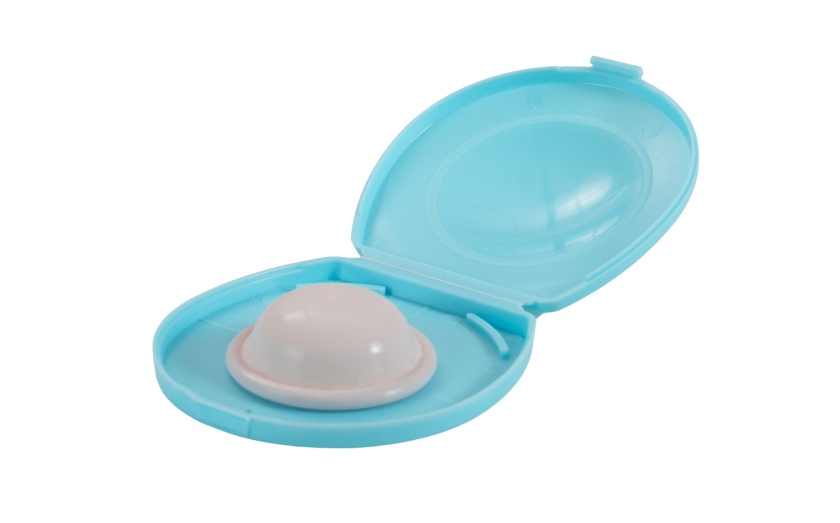
This historical diaphragm also shows how the method has been developed in many different ways over the decades, from classic latex models to later silicone variants.
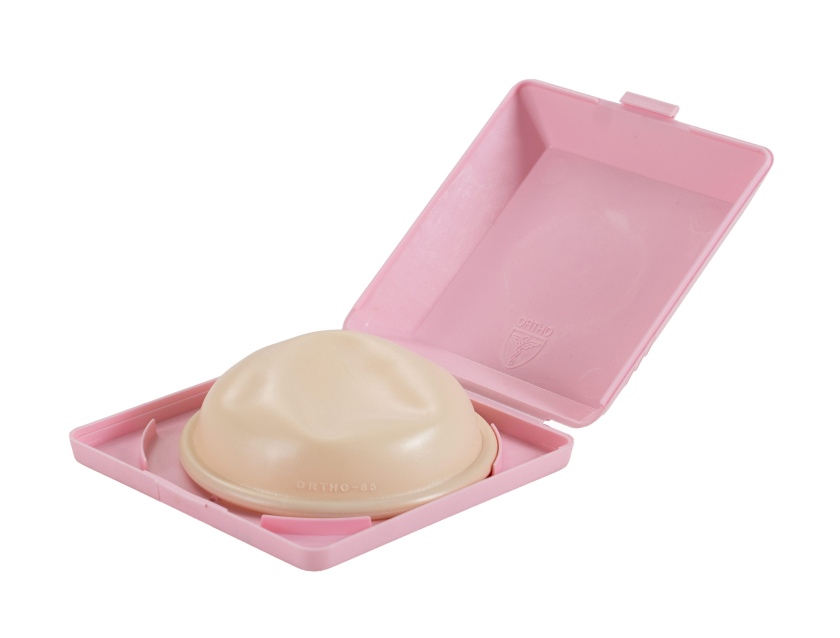
Earlier diaphragm models were usually available in many individual sizes and were long considered established mechanical contraceptives.
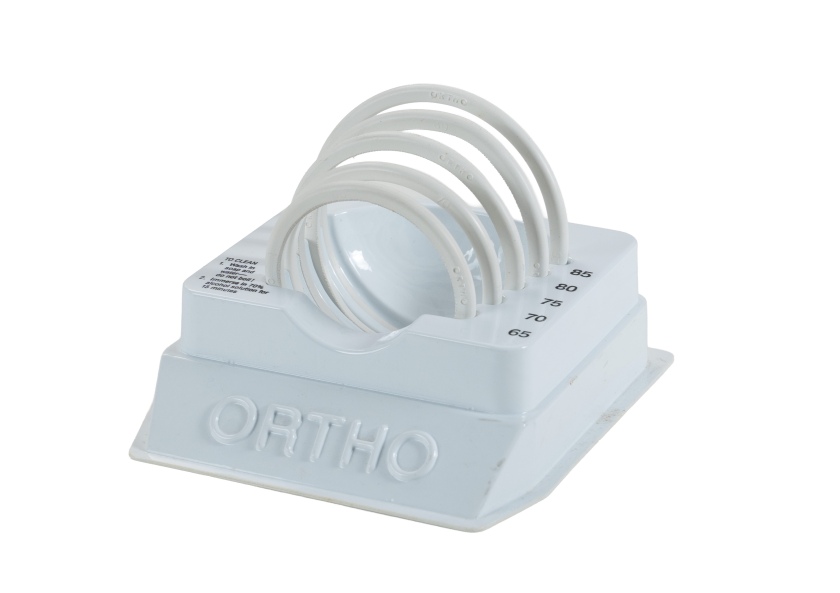
Before the development of the modern Caya diaphragm in a one-size-fits-most design, diaphragms required individual sizing. Such sizing guides helped to determine the correct size.
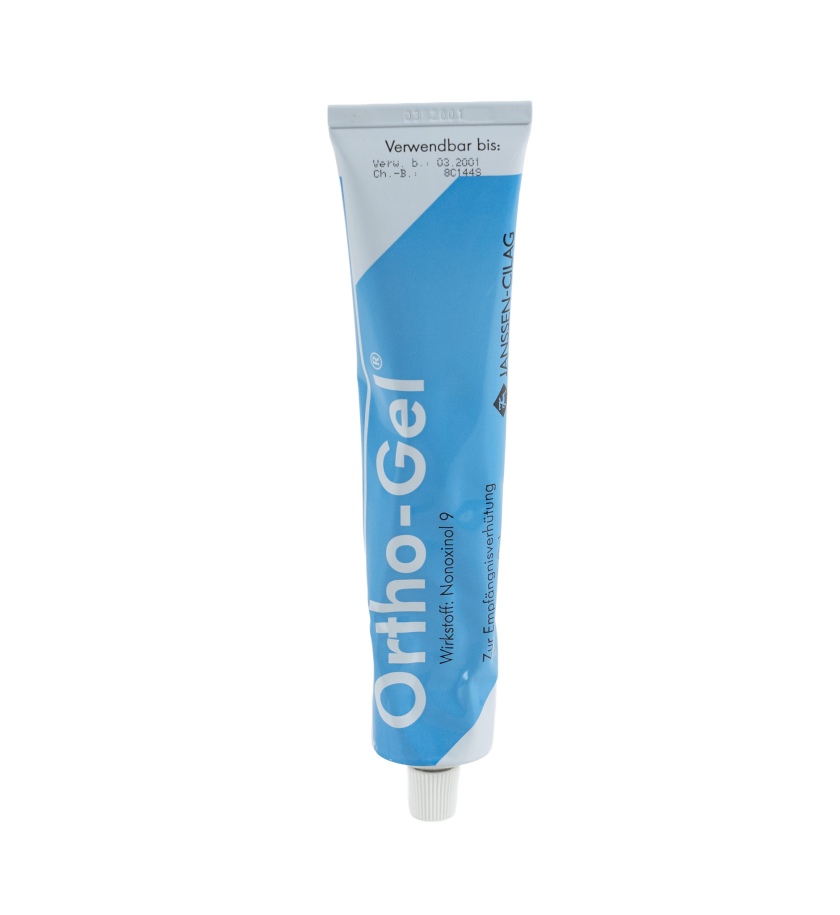
Even older diaphragm models were always used in conjunction with a diaphragm gel. The gel has always been an integral part of the method.
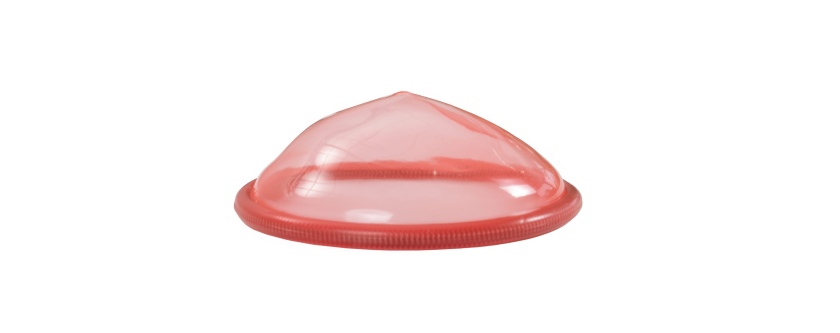
The Semina Diaphragm represents a later stage in the method’s development: more transparent, with a more modern appearance, yet still clearly recognisable as one of the classic, size-dependent models.
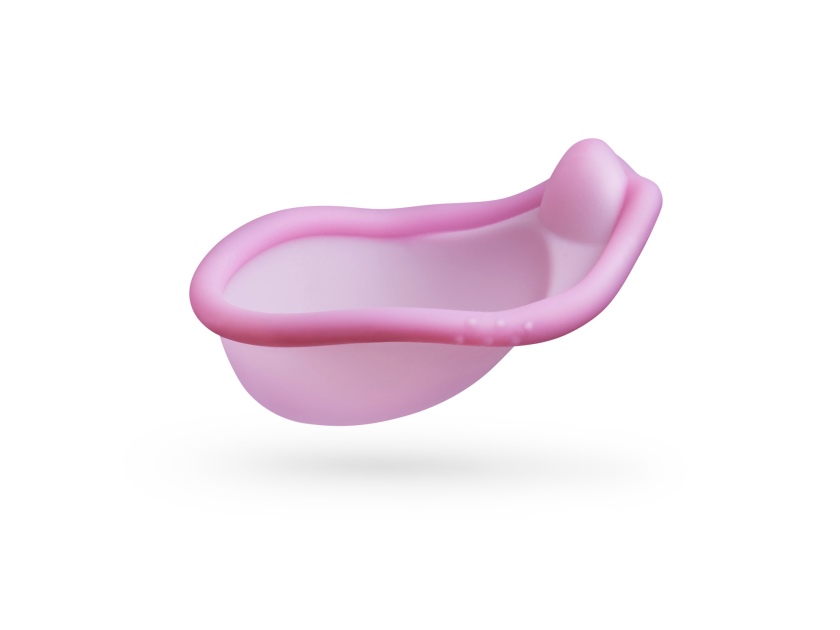
The Caya® Contoured diaphragm represents the modern evolution of the method: ergonomically shaped and designed as a one-size-fits-most solution. It adapts to the user’s anatomy and requires no individual sizing.
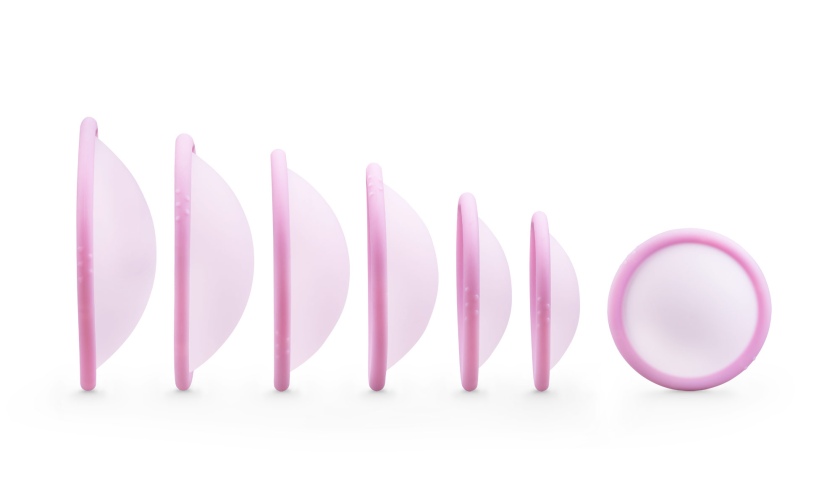
The Singa® Diaphragm is the alternative for users for whom Caya does not fit. It is available in various sizes, thus allowing for individual adjustment. Today, only these two diaphragms are produced and sold worldwide.
Starting point: birth control before modern contraceptives
Before modern contraceptives were developed, women often experienced ten to fifteen pregnancies over the course of their lives. For many families, each additional birth represented a considerable economic and social burden. The need for effective, woman-friendly methods of contraception was correspondingly high in society.
At the same time, birth control was prohibited by law. A social conflict arose between the practical need for contraception and the legal restrictions. It was against this backdrop that the development of the diaphragm began.
1882 – Development of the first diaphragm
In 1882, the German gynaecologist Dr Wilhelm Peter Johannes Mensinga developed the first vaginal diaphragm in Flensburg (Germany). The aim was to alleviate the so-called ‘marital distress’, a social problem arising from frequent pregnancies and the associated burdens on families.
As the youngest of nine siblings, Mensinga was familiar with the realities of life in large families. He saw it as his medical duty to develop practical solutions to the health and social challenges faced by women.
The product he developed was known as the Mensinga pessary. It represented an early form of mechanical contraceptive that covered the cervix and was thus used for contraception.
His personal background also played a role: Dr Mensinga’s wife had died giving birth to their third child. An event that further shaped his commitment to the development of the diaphragm.
Early 20th century – Establishment as a barrier method
At the start of the 20th century, the diaphragm established itself as a key female barrier method of contraception alongside the condom.
The diaphragm, known as the Mensinga pessary, provided millions of women with safe, hormone-free contraception – particularly in the USA and the Netherlands – and remained widely used until the 1960s.
At the same time, other contraceptives were developed: latex condoms had been available since 1913, contraceptive suppositories were introduced in the 1920s, and the first gels for use in combination with diaphragms came into use.
1960s – Decline due to hormonal contraceptives
With the gradual introduction of hormonal contraceptives in the 1960s, particularly the contraceptive pill, the diaphragm lost its significance.
However, the basic principle of the diaphragm remained unchanged: mechanical contraception by covering the cervix in combination with a diaphragm gel. As a contraceptive used only when needed, it remained relevant.
1996 – Start of the redevelopment (SILCS project)
In the mid-1990s, a fundamental redesign of the diaphragm method began.
The international organisation PATH (Programme for Appropriate Technology in Health), based in Seattle, initiated the SILCS (Single Size Barrier Device) research project. The development approach pursued the concept of a single size to simplify the use of the diaphragm worldwide.
The aim was to develop a modern, hormone-free contraceptive for women, particularly for countries with limited access to healthcare.
Funding was provided by the US development organisation USAID (75%) and the Bill & Melinda Gates Foundation (25%). It was therefore a government-funded research project in the field of contraception.
1996–2006 – Research and clinical trials
Over a period of ten years, several independent research groups developed a new diaphragm concept as part of the SILCS project. The studies were conducted without any commercial exploitation interests.
Among other things, the following were investigated:
- the possibility of a one-size-fits-most design through modified shaping
- the secure position of the diaphragm in the upper vaginal vault (documented for the first time using MRI scans)
- Widespread acceptance and use in different cultural contexts
- use without the need for individual medical sizing
- Comprehensibility of the instructions for use
- Safety and practical handling
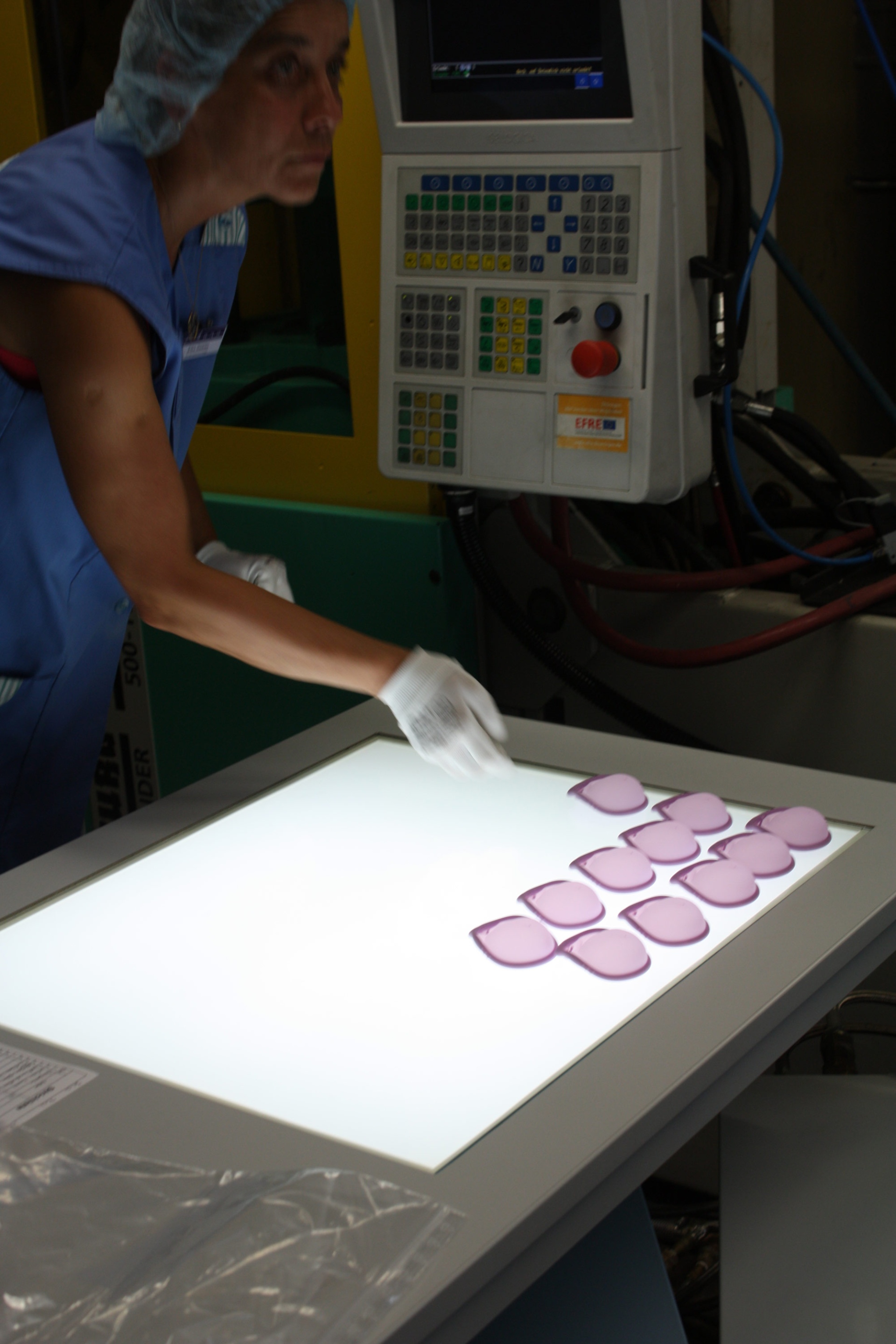
The studies showed:
-
a good fit for the majority of women examined
-
ease of use, even for inexperienced users
-
a low and acceptable rate of side effects
-
safety comparable to that of condoms and traditional diaphragms
New design and defined requirements
Under the development name SILCS, a diaphragm was created with clearly defined requirements:
- easy to use
- reliable in contraception and handling
- biocompatible materials, no latex, no metal ring in the rim
- reversible if planning a pregnancy
- hormone-free and hypoallergenic
- cost-effective (reusable)
- eco-friendly (not a single-use product, no hormonal residues, e.g. in water)
- Can be used regardless of cultural background
The result was an anatomically shaped diaphragm made from a flexible polymer ring and medically tested silicone.
2006 – Pilot production
In 2006, a small batch of the newly developed diaphragm was manufactured for the first time in Wisconsin (USA). This pilot production served the purposes of further clinical testing as well as technical and regulatory quality assurance.
The production of the small batch marked the transition from the research phase to the production phase of a medical device and formed the basis for subsequent approval procedures and the planned market launch.
2009–2010 – Transition to market launch
Following investments of over 15 million US dollars, PATH sought an experienced industry partner for the regulatory approval, manufacture and distribution of the diaphragm in Europe and North America.
The aim was to meet the regulatory requirements in the respective target markets and to establish quality-assured production.
2011 – Transition to KESSEL Medintim GmbH
In 2011, responsibility for the further development, approval, manufacture, packaging and market launch of the diaphragm was transferred to KESSEL Medintim GmbH (Mörfelden-Walldorf, Germany).
The company has been marketing barrier methods since 1987 and has been a certified manufacturer of medical devices in accordance with ISO 13485 since 2005. With the transfer of the licence rights for approval, manufacture and distribution by PATH, the industrial implementation of the newly developed diaphragm began
The development name SILCS became the brand name Caya® Contoured diaphragm. At the same time, production was relocated to Thuringia (Germany).
2013 – Market launch of the Caya® Contoured diaphragm
The result of this decades-long development was the market launch of the Caya® Contoured diaphragm in 2013. The diaphragm was designed as a hormone-free contraceptive with a one-size-fits-most design.
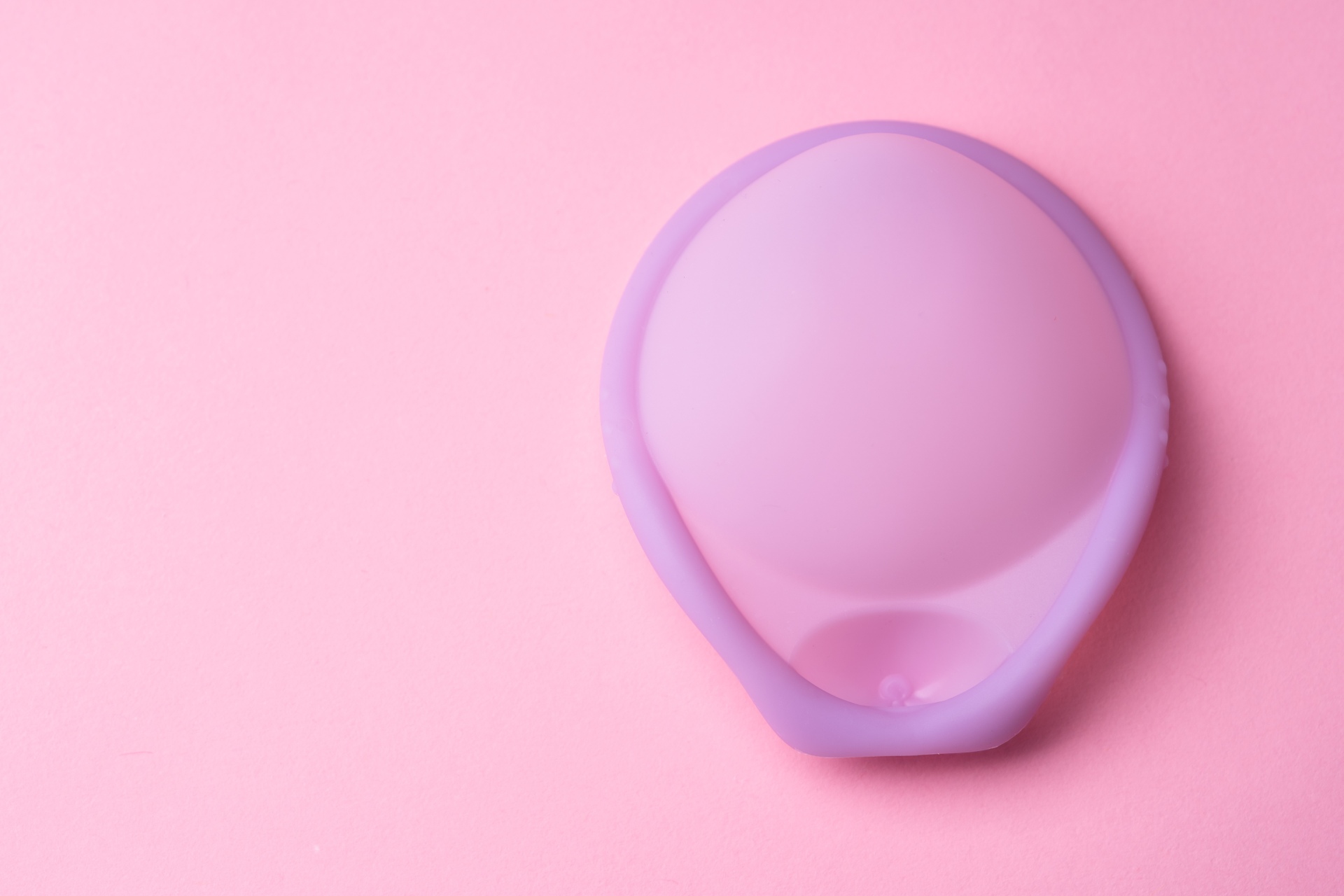
Key features of the Caya® Contoured diaphragm are
-
anatomically shaped silicone membrane
-
one-size-fits-most design, suitable for 93% of all women
-
flexible rim (spring ring) made of polyamide, fully coated with silicone
-
hormone-free use in combination with a diaphragm gel
-
Reusable for up to two years with proper care
-
Reversibility if you wish to have children
The Caya® Contoured diaphragm has been manufactured in Germany (Thuringia) since 2011.
CE certification was granted in 2013. In the same year, the Caya® Contoured diaphragm was launched in Europe and Canada. On 9 April 2013, the first Caya® Contoured diaphragm was sold at the “Engel Pharmacy” in Fulda.
FDA approval was granted in 2014, followed by market launches in Canada, Australia and the USA.
Further approvals and market launches took place in 2020 in Colombia, Chile and Peru.
Today – The diaphragm method is back in vogue
Many women today want hormone-free contraception or make a conscious decision against hormonal contraceptives. Against this backdrop, the diaphragm is experiencing a renaissance as a modern contraceptive for use on demand.
As a hormone-free ‘on-demand contraceptive’, it combines safety with sustainability, flexibility and female self-determination.
Scientific Sources
- PATH. SILCS Diaphragm: Design History
https://www.path.org/our-impact/resources/silcs-diaphragm-design-history/ - PATH. SILCS Diaphragm Technology Update
https://www.path.org/our-impact/resources/silcs-diaphragm/ - Schwartz JL, Weiner DH, Lai JJ et al. Contraceptive efficacy, safety, fit, and acceptability of a single-size diaphragm developed with end-user input. Obstetrics & Gynecology. 2015.
https://www.essentialaccess.org/sites/default/files/Contraceptive_Efficacy_Safety_Fit.pdf - Kilbourne-Brook M, Coffey PS. Learnings From an Innovative Model to Expand Access to a New and Underutilized Nonhormonal Contraceptive Diaphragm. Global Health: Science and Practice. 2024.
https://www.ghspjournal.org/content/12/5/e2400215
